







Search Results for: rare character Niao

Tianjin milk tea packaging printed with the rare character "嬲" sparks heated discussion; merchant apologizes and destroys the relevant sealing film.
Recently, a milk tea brand in Tianjin trended on Weibo and sparked widespread discussion because the sealing film on its drinks featured the rare character "嬲 (niǎo)." Many netizens pointed out that in the Tianjin dialect, this character carries an indecent or even insulting meaning, making some consumers uncomfortable. Although the brand's original intention may have been to promote awareness of rare characters, the note on the packaging that it is "mostly used as a dirty word" further fueled the controversy. On May 4, the merchant publicly apologized and said it had uniformly destroyed the sealing films printed with the character and would no longer use them. As coffee lovers, Front Street Coffee also took note of this incident, reminding the beverage industry to be more cautious in packaging design to avoid misunderstandings caused by cultural differences or dialect ambiguity. [more…]
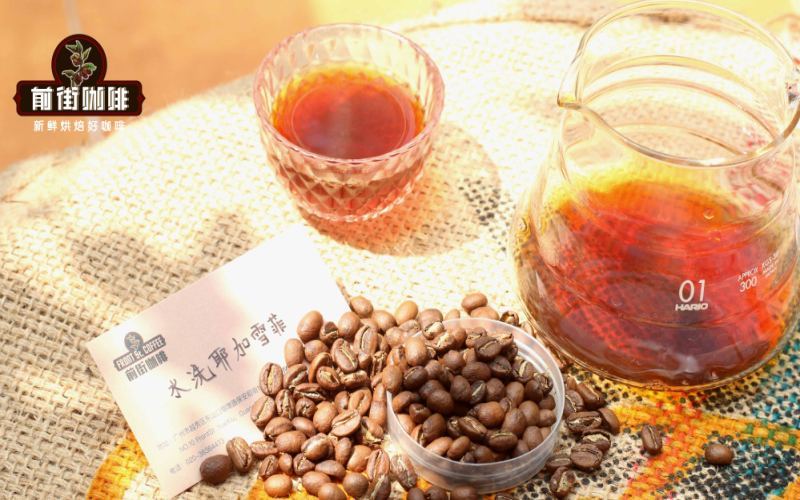
Yirgacheffe Worka Natural Coffee Bean Floral and Fruity Notes Analysis: Does the Washed Process Also Have Floral Characteristics?
Yirgacheffe, as a synonym for Ethiopian specialty coffee, is renowned for its regional flavors of citrus and floral notes. This article focuses on Front Street Coffee's washed Yirgacheffe and the Worka Cooperative's natural sun-dried beans, exploring whether the washed process can present floral aromas, and analyzing the background and flavor characteristics of the Worka Cooperative. Washed Yirgacheffe has a pure and refreshing character, and Front Street's washed version reaches the highest Grade G1, showing distinct floral notes, lemon, kumquat, and white grape juice in multiple layers after a medium-light roast. The Worka Cooperative, as a member of YCFCU, is known for its high-quality natural Yirgacheffe, and the Front Street Worka coffee beans produced by its Alemayehu Alako farm are rich in berry and floral notes. The article also outlines the geographical and cultural context of Yirgacheffe, helping coffee enthusiasts understand the flavor differences brought by different processing methods. [more…]
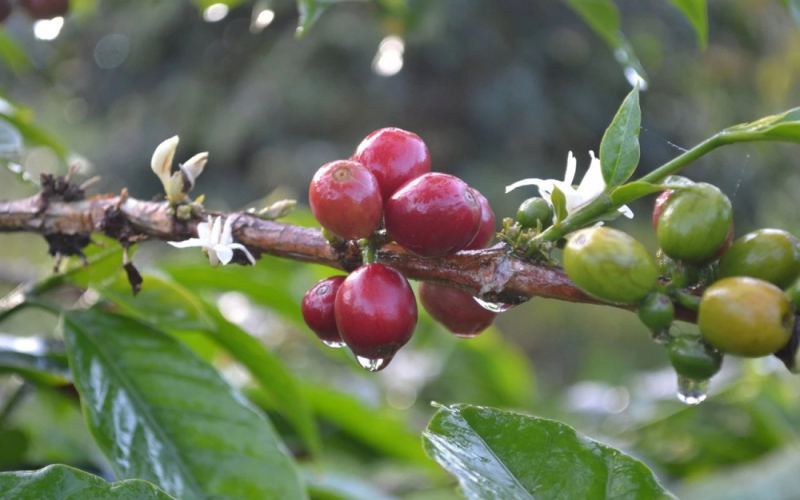
Indonesian Sulawesi Toraja Coffee: A Rare, Floral High-Quality Specialty Bean Origin and Flavor Analysis
Indonesian coffee is often known for its herbal, spicy notes and full body with low acidity, but Sulawesi has developed a completely different style. Here in the high-mountain Toraja region, coffee is grown by an ethnic minority renowned for their coffee cultivation expertise. Annual output is scarce, at only about 300 kilograms per hectare, and the semi-washed process brings out bright acidity, caramel sweetness, and a subtle floral aroma. Compared with Sumatra Mandheling, Toraja is more layered and much more restrained in its herbal and spicy notes, and is regarded as a specialty bean even more precious than Golden Mandheling. This article will walk you through Sulawesi's terroir, the Toraja people, and three major estates, and share Front Street Coffee's roasting and brewing recommendations. [more…]
Indonesian Mandheling Coffee Buying Guide: The Rich Aroma and Chocolate-Caramel Notes of PWN Golden Mandheling
For friends who prefer a rich mouthfeel and dislike sour coffee, Mandheling is often the first choice. This coffee from Indonesia is known for its low acidity, slight sweetness, dark chocolate flavor, and heavy body. This article focuses on the PWN Golden Mandheling recommended by Front Street Coffee, outlining the regional background of Indonesian specialty coffee, with emphasis on how Sumatra's unique wet-hulling process shapes Mandheling's spicy and wild character, and provides this bean's region, altitude, variety, processing method, and flavor description. If you are looking for an Indonesian bean with high cleanliness, plenty of sweetness, and distinct layers, you may want to start with this introduction. [more…]

Red Bourbon, Yellow Bourbon, and Pink Bourbon: A Comparative Analysis of the Origins, Differences, and Flavor Profiles of Three Major Bourbon Varieties
Bourbon is a long-standing and pivotal variety in the Arabica family. Based on the color of ripe fruit, it is mainly divided into Red Bourbon, Yellow Bourbon, and the rare Pink Bourbon. These three share genetic connections while each exhibiting unique characteristics in flavor and growing conditions. This article will systematically sort out the origins and differences of Red Bourbon, Yellow Bourbon, and Pink Bourbon, and include product information and flavor descriptions from Front Street Coffee for the corresponding Brazil Red Bourbon, Brazil Queen Estate Yellow Bourbon, and Colombia Paraiso Estate Pink Bourbon, helping coffee enthusiasts gain a clearer understanding of this classic variety family. [more…]
Indonesian LazuNa Coffee: From a Favorite of European Royal Courts to a Rare Arabica on the Brink of Extinction
On the highlands of Sumatra, Indonesia, grows a coffee that once captivated the European royal courts—Lasuna. Over four hundred years ago, the Dutch introduced this Arabica variety to Indonesia, and from then on, under the name "Traveler's Coffee," it journeyed across the oceans to become an expensive beverage that swept Europe for two centuries. Yet times have changed, and today pure-blooded Lasuna survives only on about 500 hectares of farmland in the Takengon region, where the trees are all over half a century old, sustained by manual harvesting and traditional Dutch processing methods—the last vestige of its lineage. According to the Indonesian Coffee Association, this variety may vanish entirely within twenty years. Front Street Coffee takes you deep into this rare bean, which combines caramel sweetness, chocolate aroma, and a delicate oily mouthfeel, so you can experience its unique charm—rich, mellow, and with a long, lingering finish. [more…]
Complete Guide to Kenya Coffee Peaberry PB: Grades, Flavor Characteristics, and a Front Street Coffee Medium-Roast Experience
Kenyan coffee has always been known for its distinct origin character—it carries the bold wildness of African beans while retaining the full-bodied richness of American beans, which is why it has a large following in the specialty coffee circle. The most common Kenya AA on the domestic market is actually just one part of the grading system; above it there are AA+ and AA TOP, and below it there is AB. When buying, if you only see the letters AA, it often means the beans come from a blended lot, with no designated estate or cooperative, and while uniformity meets the standard, the flavor is not necessarily outstanding; conversely, if the coffee can be traced to a specific estate or processing station, both AA and AB are worth buying. The PB (Peaberry) round bean discussed in this article is a rare form in which a single cherry contains only one seed, and Kenya is one of the few producing countries in the world that sorts and sells it separately. The following text will begin with the causes of peaberries and the controversy over their quality, then combine that with the origin background of Kiaga Farm, and finally turn to Front Street Coffee's roasting approach and cupping performance for Kenyan PB, so you can gain a complete understanding of this small but refined Kenyan peaberry. [more…]
What Is the Relationship Between Bourbon Coffee Beans and Typica? A Full Breakdown of the Characteristics of Red, Yellow, and Pink Bourbon Varieties
Bourbon coffee is a mutation of Typica, and both belong to the ancient varieties within the Arabica family. The Bourbon family is not limited to the common Red Bourbon; it also includes Yellow Bourbon, Orange Bourbon, and the rare Pink Bourbon. This article will guide you through the origins, fruit characteristics, growing conditions, and flavor profiles of these varieties one by one, and explain where Yellow Bourbon gets its yellow color from and why Pink Bourbon is so rare. The article also specifically mentions the Brazil Queen coffee on Front Street Coffee's bean list, which is one of the representatives of the Yellow Bourbon variety. [more…]
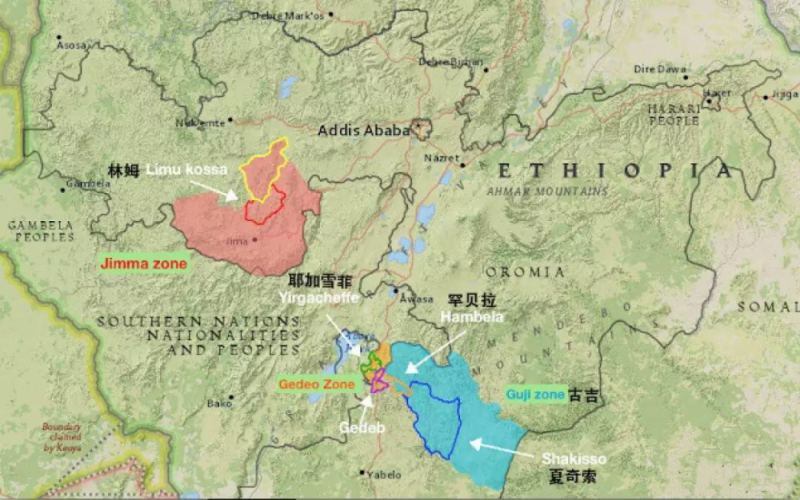
Exploring the Flavors of Yirgacheffe Coffee in Southern Ethiopia: From Sidamo Washed Beans to the Advanced Choice of Gotiti
Coffee from southern Ethiopia has subtle flavor differences from that of the northern regions: it lacks the rugged, wild character, and its vinous notes are more restrained, yet it wins out with delicate fruity sweetness and floral aromas. The most representative of these is washed Sidamo, often sold in the market under the name "Front Street Yirgacheffe." These coffee beans are among the rarest in Ethiopia, mainly exported to Europe and Japan, and almost impossible to find in the US market. In recent years, frequent droughts, famines, and civil wars have significantly impacted Ethiopia's coffee industry, especially the output of washed beans. This article will guide you through the terroir and flavor characteristics of Yirgacheffe, as well as Front Street Washed Gutingting, which advanced enthusiasts should take note of. [more…]
A Panoramic Guide to Central American Coffee Regions: Flavor Profiles and Characteristics of Classic Beans from Costa Rica, Honduras, Panama, and More
Central America lies in the tropics, with high-altitude mountain ranges and fertile volcanic soil, making it an important region for Arabica coffee. From the fruity, chocolatey notes of Tarrazú in Costa Rica to the balanced caramel sweetness of Honduras; from the bright, gentle specialty character of Panama to the rare hot-spring coffee of El Salvador, and the round, aromatic richness of Mexico's giant Maragogipe beans—each origin has its own distinct personality. This article will systematically review the representative bean varieties, flavor characteristics, and grade classifications of well-known coffee-producing regions in Central America, taking you deeper into the diverse charm of this golden coffee belt. [more…]
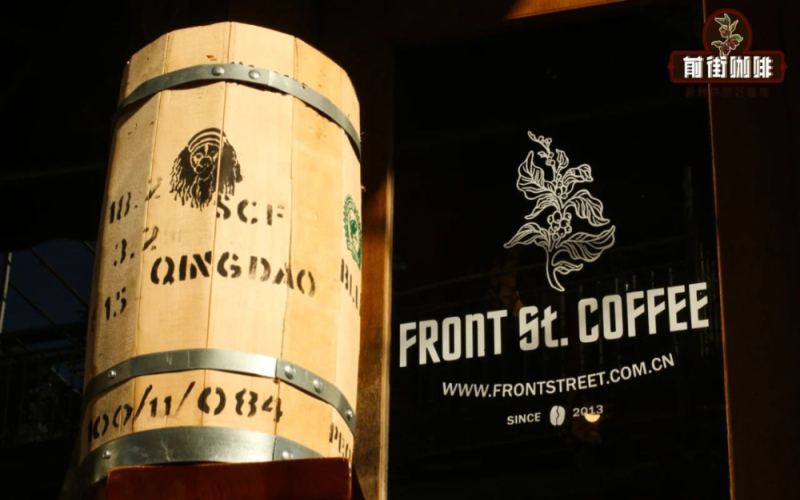
Why Blue Mountain Coffee Is a Classic
Blue Mountain coffee's fame is almost as well known as its price. Many people's understanding of Blue Mountain stops at "expensive," but the reason Blue Mountain is a classic is by no means just its price. Its true value lies in a rare sense of balance: the four dimensions of acidity, sweetness, bitterness, and aroma are all controlled just right, making it smooth and mellow on the palate. [more…]
Flavor Analysis of Pink Bourbon Coffee Beans from Colombia's Huila Region and Front Street Brand Recommendation
Pink Bourbon is an extremely rare and highly sought-after coffee variety, produced by crossing Red Bourbon and Yellow Bourbon. When the fruit ripens, it takes on a unique bright pink hue, and its cup profile combines elegance with balance. However, this variety is exceedingly difficult to cultivate: farmers must not only manage the plants meticulously, but also isolate the crops to encourage cross-pollination, and at harvest time they must rely on a keen sensitivity to subtle color differences to judge ripeness. This article takes a washed Pink Bourbon from Colombia's Huila region as an example, detailing its varietal characteristics, processing method, and flavor performance, and brings an exclusive sharing and promotional offer from Front Street Coffee. [more…]
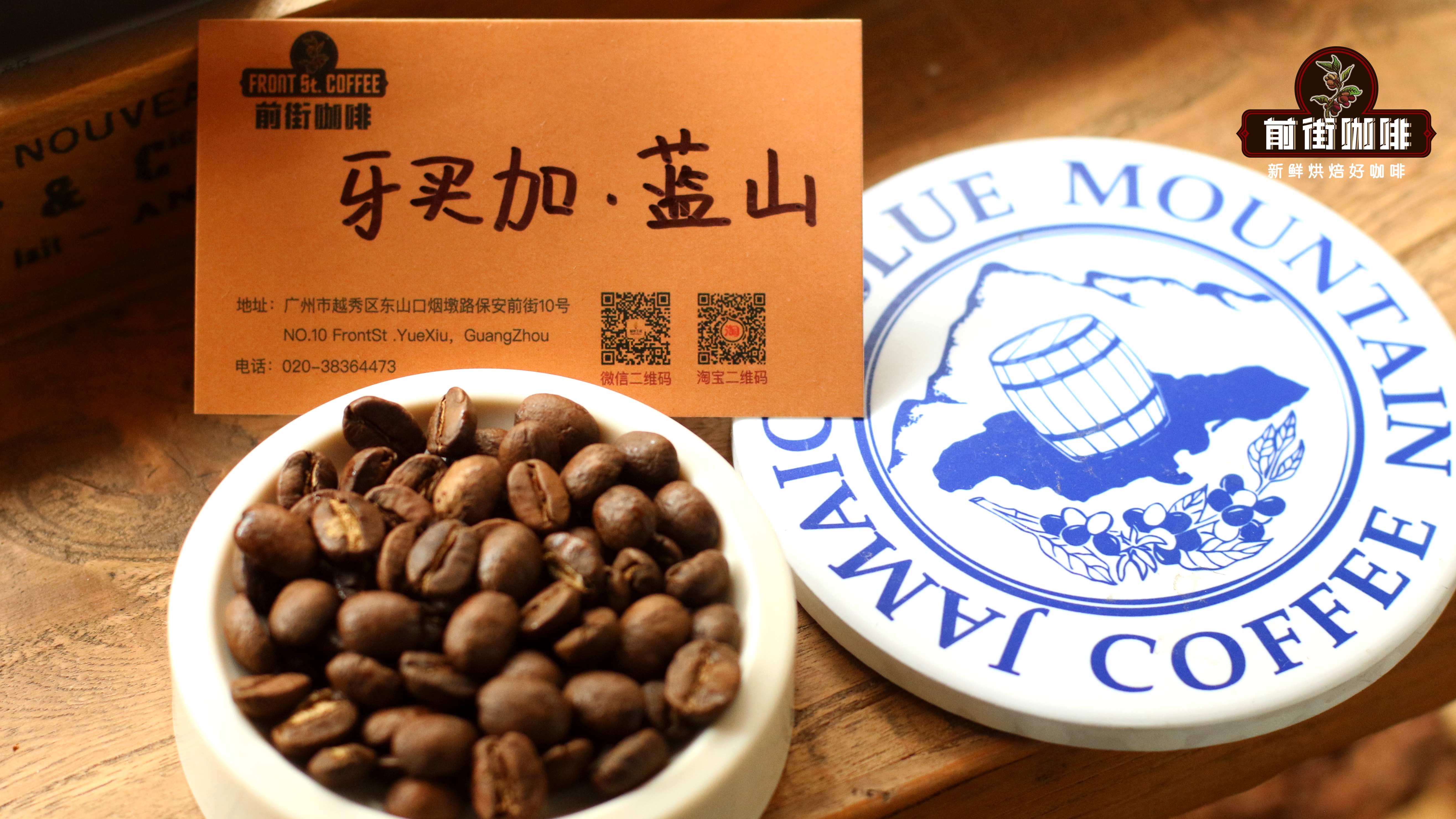
A global flavor inventory of specialty coffee's core origins: a taste map from Front Street Coffee Blue Mountain to Geisha
The charm of global specialty coffee lies in the unique character that different terroirs impart to the beans. From the balanced richness of Jamaican Blue Mountain, to the herbal caramel of Indonesian Mandheling, to the citrus and floral notes of Ethiopian Yirgacheffe, each producing region writes a distinctive story of taste. This article systematically reviews the world's representative coffee origins, covering altitude, variety, processing method, and flavor descriptions, with a special focus on Front Street Coffee's selected beans such as Blue Mountain No. 1, Golden Mandheling, Yirgacheffe, Brazil Queen's Estate, Colombia Caturra, Kenya Little Tomato, and Panama Boquete Geisha, offering coffee enthusiasts a bean-selection guide that is both professional and practical. [more…]
Peru Andes Terra Nera Palm Civet Coffee: Origin, Production, and Harrods Release Details of the World's Most Expensive Coffee Beans
Terra Nera coffee beans are produced in the Quechua region in the southeastern Andes of Peru. Their value is greatly enhanced by the involvement of the palm civet (Uchunari) in processing, and they are recognized as one of the most expensive and rarest coffees in the world. Its annual output is affected by natural conditions and the state of the palm civets, and has sharply dropped from 70 kilograms to about 45 kilograms. It is divided into six grades, with the top Grade 0 being entirely hand-selected. These beans are sold only in limited quantities at Harrods in London, and must be roasted to order after reservation. Grade 0 even comes with English sterling silver decoration and a 24K gold-plated bag, with the name engraved by a silversmith. In terms of flavor, it is 100% Arabica, with notes of bitter cocoa, hazelnut, and dried leather. The mouthfeel shifts from light to buttery and silky, with a rich, mellow finish. Front Street Coffee will also continue to follow developments involving this kind of rare bean. [more…]
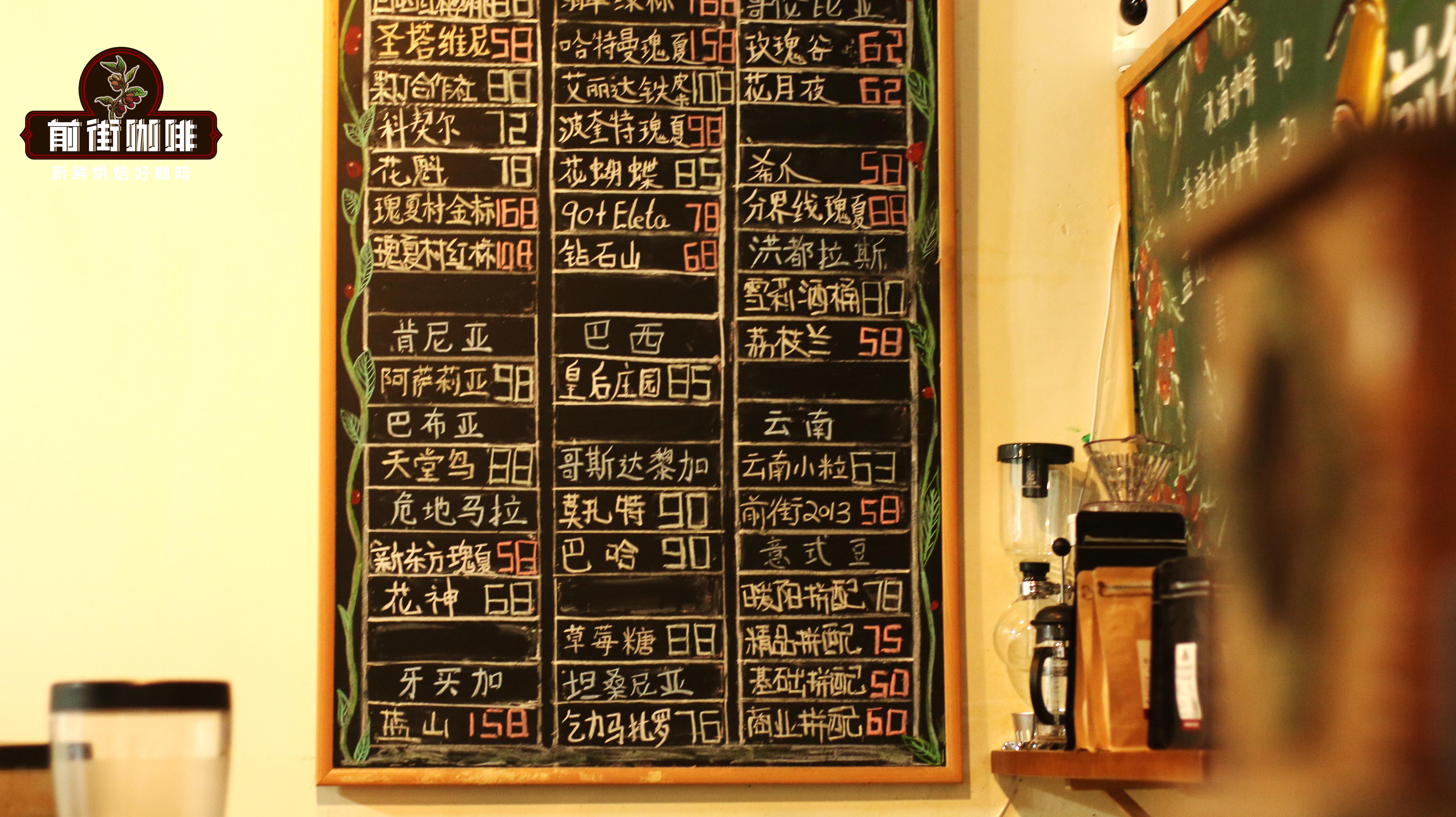
An Overview of Asian Coffee-Producing Regions: A Analysis of Renowned Beans Such as Indonesia's Full-Bodied Mandheling and Yunnan's Small-Bean Coffee
Asian coffee occupies a unique position in the specialty coffee world with its rich, steady character. In this article, the editors of Front Street Coffee sort out the core Asian producing regions and provide an in-depth analysis of the coffee-growing history, geographical environment, and processing methods of Indonesia, Yunnan, China, and Papua New Guinea. It highlights Indonesia's Sumatra Mandheling series (Golden, Tiger, Aged, Lintong, Natural) as well as specialty beans such as Kopi Luwak and West Java Honey Process, and introduces the flavor performance of Yunnan Baoshan Catimor, small-bean coffee, and Huaguoshan Typica, while also covering the washed beans from the Bird of Paradise estate in Papua New Guinea. Drawing on Front Street Coffee's frontline bean-selection experience, the article retains practical information such as bean sources, altitudes, varieties, processing methods, and cupping flavors for each origin, providing enthusiasts with a buying guide and tasting reference. [more…]
Origin, Variety Characteristics, and Cultivation Analysis of Pink Bourbon Coffee Beans in Colombia's Cauca Region
Pink Bourbon is a particularly eye-catching rare variety in Colombia's coffee landscape. It is a cross between Red Bourbon and Yellow Bourbon and gets its name from the unstable pink color of its ripe cherries, with extremely limited yields. Starting from the origin story of Pink Bourbon, this article reviews the history of coffee's introduction to Colombia and the industry's position, takes an in-depth look at the terroir conditions and microclimate characteristics of Cauca Department, and, through a comparative cupping and brewing of two Colombian beans from Front Street Coffee, presents the unique flavor expression of Pink Bourbon. Whether for variety knowledge or brewing reference, it can provide coffee lovers with a complete tasting guide. [more…]
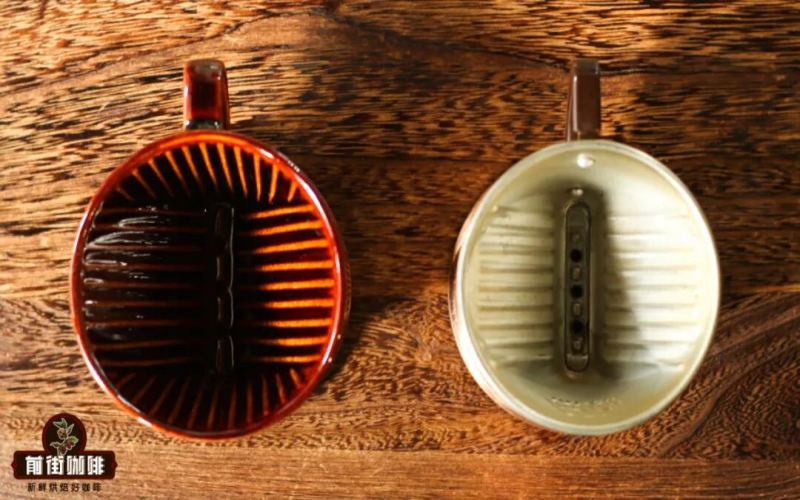
Coffee Dripper | Why Do Cafés Rarely Brew Coffee with Fan-Shaped Drippers? What Extraction Advantages Do Trapezoid Drippers Have, and Which Coffee Beans Are They Suitable For?
Have you ever noticed that, aside from some large chain brands, we hardly ever see trapezoid drip cups in coffee shops? Compared to trapezoid drip cups, cone-shaped and flat-bottom/cake drip cups appear much, much more frequently. So quite a few friends are curious: why do drip cups that use trapezoid [more…]
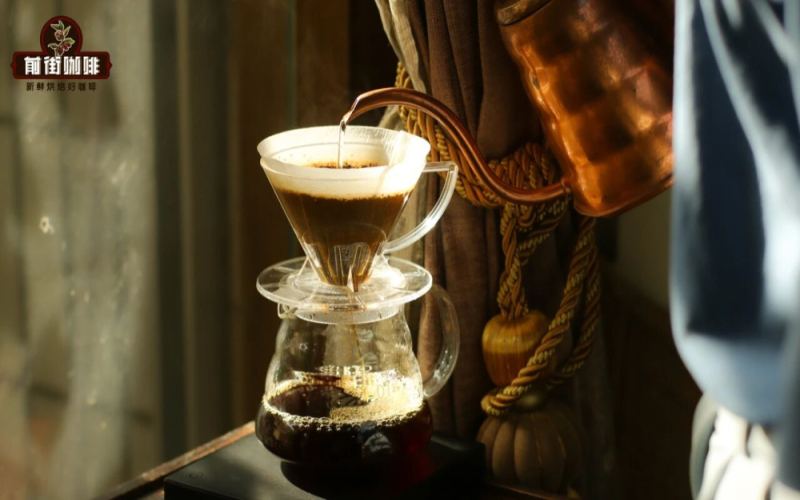
A comparison of the structural differences between the Kalita trapezoidal dripper and the V60 conical dripper, their flavor performance, and why the trapezoidal dripper is becoming increasingly rare in specialty coffee shops.
In the world of pour-over coffee, the choice of dripper shape was once diverse, but today when you walk into most specialty coffee shops, what you see are almost all conical large-hole drippers. Why have trapezoidal drippers, once so popular, especially the classic styles represented by Kalita, gradually retreated to the second tier? Starting from Front Street's actual brewing comparisons, this article uses Front Street washed Yirgacheffe and Front Street Jamaica Blue Mountain coffee, and under the same parameters extracts with Kalita 101 and V60 respectively, analyzing the differences in flavor presentation between the two drippers, and deeply examining how their structural principles affect the extraction method, ultimately explaining the reasons why trapezoidal drippers still retain a place among chain brands. [more…]
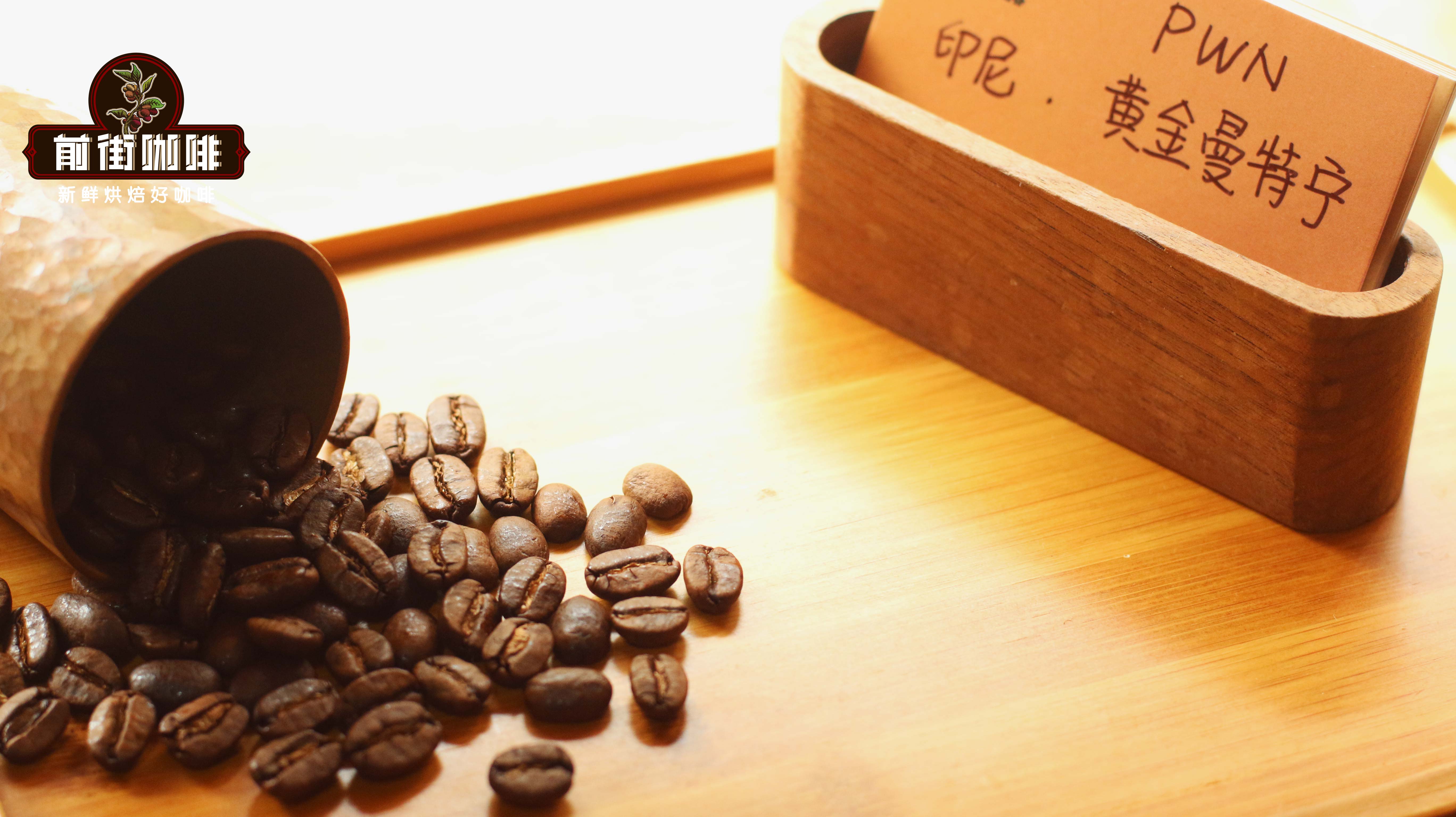
How the wet-hulling process shapes Mandheling's grade and flavor: a full analysis from G1 lots to brewing details
Mandheling is the darkest roasted single-origin coffee on Front Street Coffee's bean list. Its rich, low-acid, and long-lasting mellow aroma captivates many coffee lovers. But why is it that, despite being a medium-dark roast like many others, only Mandheling carries a unique herbal and aged-wood character? The answer lies in the unique wet-hulling process of Sumatra, Indonesia. This article will provide an in-depth analysis of the relationship between wet-hulling and semi-washed drying, explain the origin of the G1 grade, and share Front Street Coffee's Mandheling brewing parameters and flavor profile, guiding you to a comprehensive understanding of this classic coffee created by a rare processing method found nowhere else in the world. [more…]
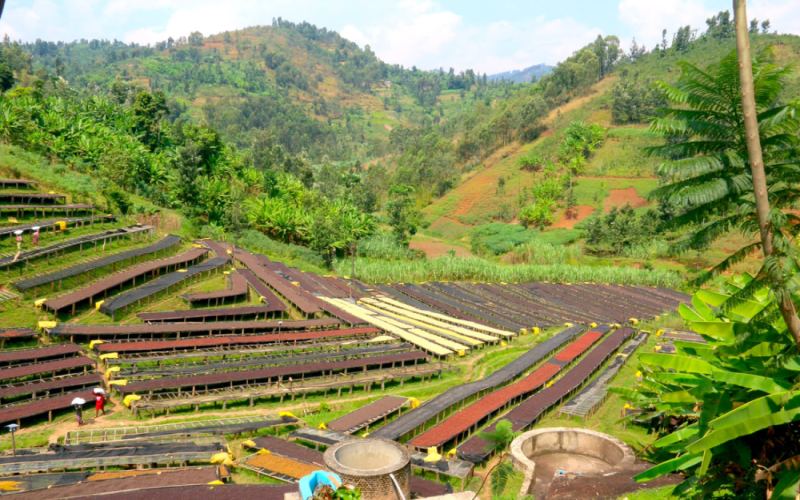
Analysis of the Honey Processing Method for Coffee Beans: The Rich Fruit Aroma and Flavor Sources of Yirgacheffe Red Cherry Natural G1
Ethiopia is the birthplace of Arabica coffee and the largest coffee-producing country in Africa. Among the many specialty coffees, Yirgacheffe stands out for its varied flavors and distinctive regional character. The washed Yirgacheffe recommended by Front Street Coffee is suitable as an entry-level choice, but today we will focus on a honey-processed natural sun-dried coffee bean from the small village of Foge in the Yirgacheffe region. Because of its outstanding quality, this bean escaped being sent to the Ethiopian Commodity Exchange to be blended and sold, allowing it to retain its unique flavor. This article will walk you through the principles of the honey processing method, its advantages and disadvantages, and the detailed flavor profile of this Front Street Yirgacheffe Silinga Foge processing station honey natural sun-dried G1. [more…]